


-

Add: HeBei ShengShi HongBang Cellulose Technology CO.,LTD.
-

Email
13180486930@163.com -

CONTACT US
+86 13180486930
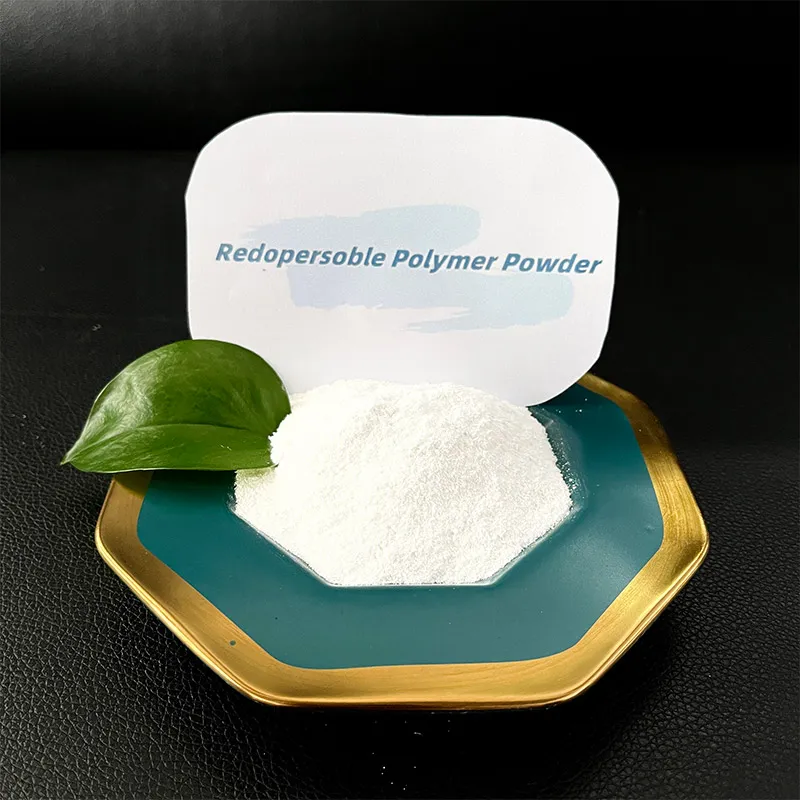
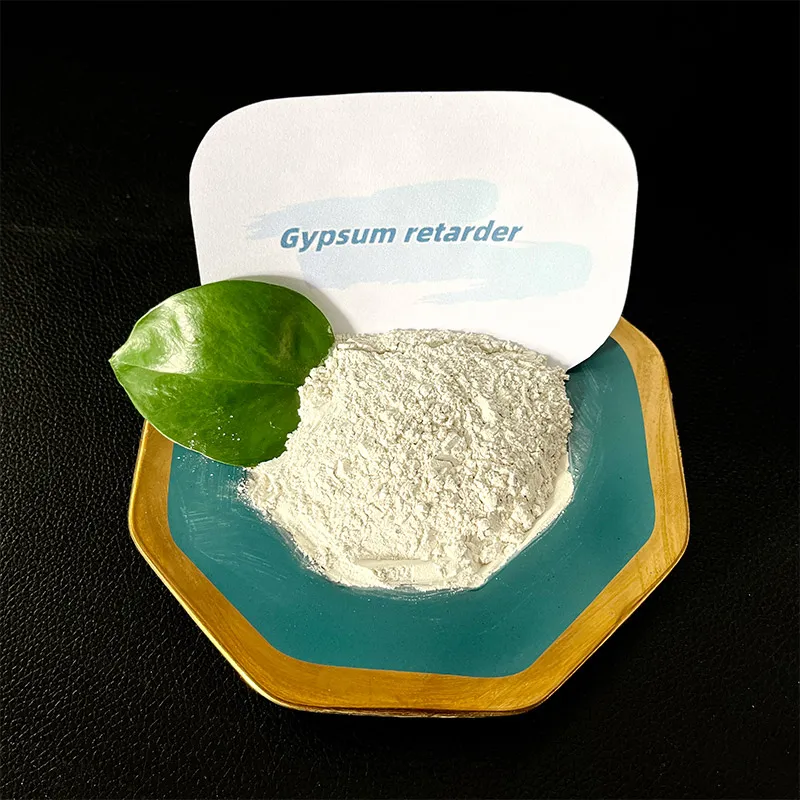


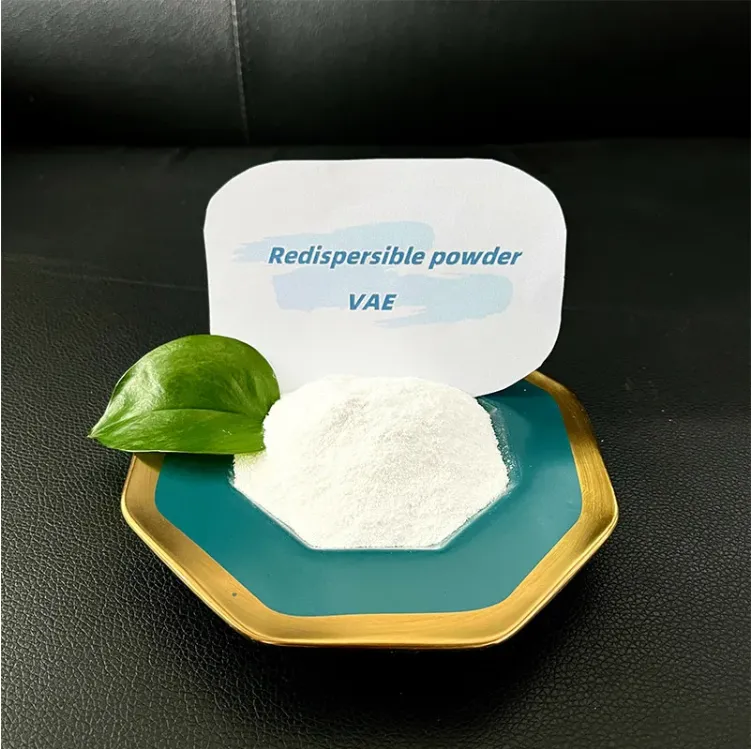
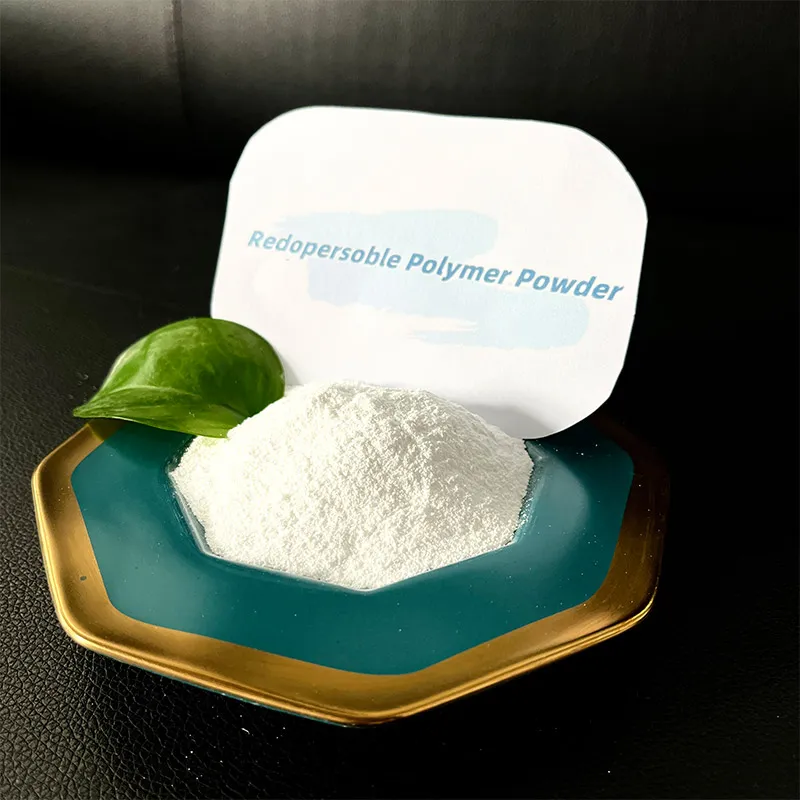
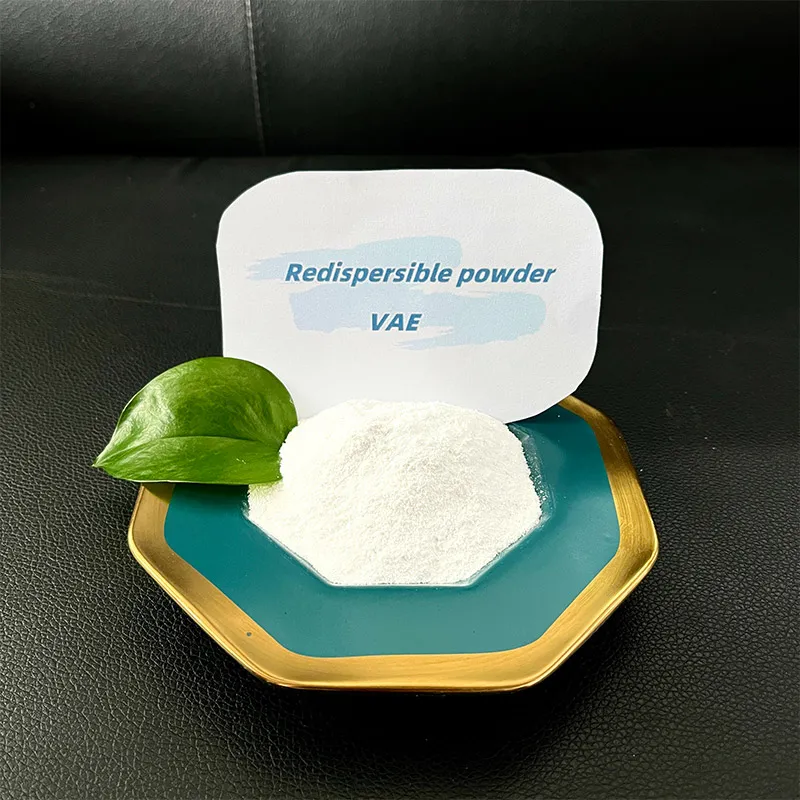
Introduction to Redispersible Emulsion Powder In the dynamic landscape of modern construction and advanced material engineering, redispersible emulsion powder stands as a pivotal polymer additive, fundamentally transforming the performance characteristics of cementitious and gypsum-based dry-mix mortars. Engineered from specialized polymer emulsions, this fine white powder, often referred to as redispersible latex powder or polymer powder , redispersion in water to form a stable emulsion, which then cures to create a robust, flexible polymeric film within the mortar matrix. This intricate mechanism imparts superior adhesion, enhanced flexibility, improved water resistance, and increased durability to the final product, addressing critical performance gaps that conventional mortars often exhibit. Our Redispersible powder VAE, a premium vinyl acetate-ethylene copolymer, is meticulously designed to meet the rigorous demands of various B2B applications, from high-performance tile adhesives to sophisticated exterior insulation finishing systems. With a commitment to quality and innovation, we provide solutions that empower manufacturers to achieve unparalleled product consistency and longevity. Industry Trends and Market Dynamics The global market for redispersible emulsion powder is experiencing robust growth, driven primarily by several interconnected factors. Rapid urbanization, particularly in emerging economies, fuels a surge in residential and commercial construction activities. Concurrently, increasing demand for sustainable and energy-efficient building solutions necessitates advanced construction materials that offer superior insulation, durability, and reduced environmental impact. Regulatory pressures for green building certifications also propel the adoption of high-performance additives like vae redispersible powder . Key trends include a shift towards pre-mixed dry mortars for ease of application and consistent quality, a growing emphasis on repair and renovation of aging infrastructure, and the continuous development of specialized RDP grades for niche applications. For instance, low-VOC (Volatile Organic Compound) and formaldehyde-free formulations are gaining traction, aligning with stricter environmental standards and worker safety protocols. Data indicates the global RDP market is projected to grow at a CAGR of 6-8% over the next five years, reaching significant valuation, with the Asia-Pacific region leading in consumption due to extensive construction projects. The demand for flexible, crack-bridging, and highly adhesive mortars in demanding climates further underlines the critical role of advanced polymer powder in modern construction. Manufacturing Process of Redispersible Emulsion Powder (VAE) The production of Redispersible powder VAE is a sophisticated multi-stage process, ensuring the conversion of a liquid polymer emulsion into a stable, free-flowing powder with optimal redispersibility and performance characteristics. This intricate manufacturing chain adheres to stringent quality controls, vital for B2B applications where consistent product behavior is paramount. Detailed Process Flow: Emulsion Polymerization: This initial stage involves the polymerization of vinyl acetate monomer (VAM) and ethylene gas in an aqueous medium. Initiators trigger the reaction, forming a stable vinyl acetate-ethylene (VAE) copolymer emulsion. Protective colloids, such as polyvinyl alcohol (PVA), are strategically introduced to encapsulate the polymer particles, preventing coalescence and ensuring stability. This process is precisely controlled to achieve desired molecular weight, particle size, and monomer ratio, which dictate the final mechanical properties of the redispersible emulsion powder . Additives Introduction: Post-polymerization, the liquid emulsion is further processed by incorporating specialized additives. These may include anti-foaming agents to prevent air entrainment during application, and additional stabilizers to enhance shelf life and performance. The careful selection and precise dosing of these additives are crucial for optimizing the powder’s functionality in diverse mortar formulations. Spray Drying: This is the most critical stage where the liquid VAE emulsion is transformed into a solid powder. The emulsion is atomized into fine droplets and sprayed into a hot drying chamber. Rapid evaporation of water leaves behind solid polymer particles, each encapsulated by the protective colloid. This encapsulation is key to the powder's ability to redisperse effectively in water later. The spray drying parameters, including temperature, flow rate, and nozzle design, are meticulously controlled to ensure uniform particle size and optimal redispersibility. Homogenization and Anti-Caking: After drying, the fine polymer particles are collected. To prevent agglomeration during storage and transportation, an inorganic anti-caking agent (e.g., mineral silicates) is uniformly blended with the redispersible powder . This step ensures the powder remains free-flowing and easy to incorporate into dry-mix formulations. Homogenization ensures a consistent mixture, critical for reliable performance in end-user applications. Quality Control and Packaging: Throughout the entire process, rigorous quality control checks are performed. Samples are tested for key parameters such as solid content, ash content, bulk density, pH, Minimum Film-Forming Temperature (MFFT), and redispersibility. Our products adhere to international standards like ISO 9001 for quality management. The final redispersible latex powder is then securely packaged in moisture-proof bags, typically multi-layer paper bags with polyethylene inner lining, to maintain its integrity and service life of up to 12 months under optimal storage conditions. The target industries benefiting from this precise manufacturing include construction chemicals, building materials, and repair & renovation sectors. The advantages manifest in the end-products through superior energy saving in insulation systems and enhanced corrosion resistance in protective coatings. Technical Specifications: Redispersible Powder VAE Our Redispersible powder VAE is a meticulously engineered polymer additive, characterized by a range of precise technical parameters that dictate its performance in diverse construction applications. Understanding these specifications is crucial for formulators to achieve optimal mortar properties. Below is a typical specification table for our premium grade vae redispersible powder . Typical Product Specifications: Redispersible Powder VAE Property Unit Typical Value Test Method Solid Content % ≥ 98.0 Internal Method Ash Content (at 900°C) % 10.0 - 14.0 DIN EN ISO 3451-1 Bulk Density g/L 450 - 550 DIN EN 13055-1 pH Value (10% aqueous solution) - 7.0 - 9.0 DIN ISO 976 Minimum Film Forming Temperature (MFFT) °C 0 to +5 DIN ISO 2115 Glass Transition Temperature (Tg) °C ~ +5 DSC Redispersibility (in water) - Excellent Visual/Microscopic Fineness (Residue on 80µm sieve) % ≤ 2.0 DIN EN 13055-2 These specifications are crucial for B2B partners ensuring product consistency and optimal performance. The MFFT (Minimum Film Forming Temperature) indicates the lowest temperature at which the polymer can form a continuous film, critical for application in varying climate conditions. The Tg (Glass Transition Temperature) defines the temperature at which the polymer transitions from a hard, glassy state to a softer, rubbery state, directly impacting the flexibility and mechanical properties of the final mortar. Our stringent testing protocols, aligned with ISO standards, guarantee the reliability and quality of every batch of our redispersible powder . Application Scenarios and Technical Advantages The versatility of redispersible emulsion powder extends across a broad spectrum of construction applications, enhancing the performance and longevity of dry-mix mortars. Its unique properties are invaluable in addressing common challenges faced in building and infrastructure projects. Key Application Scenarios: Tile Adhesives: RDP significantly improves the adhesion strength (especially on non-absorbent substrates like porcelain tiles), deformability, and open time of cementitious tile adhesives. This leads to reduced tile slippage and superior bonding, particularly for large format tiles and underfloor heating systems. Adherence to EN 12004 standards for cementitious adhesives is often a benchmark. Self-Leveling Compounds (SLCs): In SLCs, polymer powder enhances flowability, adhesion to various substrates, and wear resistance, contributing to a smoother, more durable floor finish. It helps minimize cracking and improves cohesion. External Thermal Insulation Composite Systems (ETICS/EIFS): RDP is critical in base coats and reinforcing mortars for ETICS/EIFS, providing essential flexibility, impact resistance, and strong adhesion to insulation boards (e.g., EPS, mineral wool). This improves the system's ability to withstand thermal stress and prevents cracking. Skim Coats and Wall Putties: In thin-layer plasters and skim coats, RDP improves workability, adhesion to substrates, crack resistance, and surface hardness, facilitating a smooth, aesthetic finish. Repair Mortars: For concrete repair, RDP enhances bond strength to existing concrete, reduces permeability, and improves mechanical properties, extending the service life of repaired structures. It plays a vital role in preventing future degradation. Waterproofing Mortars: The film-forming capability of RDP polymers reduces the porosity of mortars, significantly improving their water resistance and impermeability for applications in damp environments. Technical Advantages: Enhanced Adhesion: The polymer film created by redispersible emulsion powder acts as an organic binder, significantly improving the bond strength between the mortar and various substrates, including concrete, masonry, wood, and even smooth surfaces. This is due to mechanical interlocking and chemical bonding. Increased Flexibility and Deformability: The elastic polymer network formed after drying provides the mortar with greater flexibility, allowing it to accommodate substrate movements and thermal expansion/contraction without cracking, thereby extending the service life of the application. Improved Water Resistance: The polymer film reduces the capillary water absorption of the mortar, making it more resistant to moisture ingress and freeze-thaw cycles. This property is vital for exterior applications and wet areas. Enhanced Cohesion and Workability: RDP improves the rheology of fresh mortar, enhancing its cohesion, anti-sag properties, and overall workability, making application easier and more efficient. It helps in reducing segregation and bleeding. Superior Impact and Abrasion Resistance: The polymer modification imparts higher resistance to impact and abrasion, making the mortar more robust and suitable for high-traffic areas or environments subject to mechanical stress. Reduced Shrinkage and Cracking: By improving the water retention and plasticizing effect, RDP helps to reduce drying shrinkage and the formation of cracks, leading to a more stable and aesthetically pleasing finish. Vendor Comparison and Customization The market for redispersible powder offers a range of options, each with varying performance profiles and cost implications. For B2B decision-makers, a comprehensive comparison is essential to ensure the chosen product aligns with project requirements and budget constraints. Our Redispersible powder VAE is positioned as a premium solution, offering a balance of performance, consistency, and value. Comparative Analysis: Standard RDP vs. Premium VAE RDP Feature/Metric Standard RDP (Generic) Our Premium VAE RDP (Redispersible powder VAE) Polymer Type Often Styrene-Butadiene (SBR) or lower-grade VAE High-quality Vinyl Acetate-Ethylene (VAE) Copolymer Adhesion Strength (e.g., to ceramic tile) Good (0.5-0.8 MPa) Excellent (≥ 1.0 MPa, often > 1.5 MPa) Flexibility/Deformability Moderate Superior (reduces cracking, ideal for movement joints) Water Resistance Standard Significantly enhanced (low water absorption) Workability/Rheology Acceptable Optimized for ease of application, reduced sag Minimum Film Forming Temperature (MFFT) Higher (e.g., +8°C to +15°C) Lower (e.g., 0°C to +5°C), allowing cold weather application Cost-Effectiveness Lower initial cost, potentially higher long-term maintenance Higher initial cost, significant long-term savings through durability Our commitment to consistent quality and performance sets our Redispersible powder VAE apart. While standard RDPs might offer a lower entry price, the long-term benefits in terms of durability, reduced callbacks, and enhanced end-product performance from our premium redispersible powder typically result in a superior total cost of ownership for our B2B partners. Customized Solutions: Recognizing that every construction project presents unique challenges, we offer bespoke redispersible emulsion powder formulations tailored to specific client requirements. Our expert R&D team works closely with customers to develop custom solutions that optimize mortar performance for distinct applications, climatic conditions, or substrate types. Performance Tuning: Adjusting polymer composition to achieve desired levels of flexibility, adhesion, water resistance, or open time. Rheology Modification: Tailoring flow properties for machine application, sprayable mortars, or specific trowelability. Cost Optimization: Developing effective solutions within specific budgetary constraints without compromising critical performance aspects. Environmental Compliance: Creating low-VOC or specialty formulations to meet stringent environmental regulations in specific markets. Our ability to provide customized polymer powder solutions ensures that our partners can differentiate their products in a competitive market and meet the most demanding project specifications with confidence. Application Case Studies Real-world applications demonstrate the tangible benefits and superior performance of our Redispersible powder VAE. These case studies highlight how our redispersible emulsion powder provides solutions to complex challenges in various construction scenarios, leading to enhanced project success and client satisfaction. Case Study 1: High-Rise Residential Tower – Flexible Tile Adhesive Client: Leading Construction Developer, GCC Region Challenge: The client required a high-performance tile adhesive for a luxury high-rise residential project, demanding exceptional adhesion to large-format porcelain tiles and robust flexibility to withstand significant structural movements and thermal cycling typical of the region's extreme temperatures. Standard adhesives exhibited insufficient bond strength and cracking over time. Solution: We collaborated with the client to develop a custom tile adhesive formulation incorporating our premium Redispersible powder VAE. The specific grade of polymer powder was selected for its high ethylene content, providing superior flexibility and adhesion to non-porous substrates. Results: The modified adhesive demonstrated bond strength exceeding 1.8 MPa after 28 days (vs. 0.8 MPa for standard adhesives) and maintained excellent adhesion after heat aging and water immersion tests, significantly surpassing EN 12004 C2TE S1 requirements. The improved flexibility drastically reduced tile debonding and cracking, ensuring the aesthetic and structural integrity of the flooring for the tower's projected 50-year service life. This success led to a long-term supply agreement with the client. Case Study 2: Industrial Warehouse – Durable Self-Leveling Floor Client: Logistics & Distribution Company, Europe Challenge: An existing industrial warehouse floor required renovation to withstand heavy forklift traffic, chemical spills, and significant abrasion. The previous self-leveling compound exhibited rapid wear and localized cracking, causing operational downtime and safety concerns. Solution: Our technical team recommended a specialized self-leveling compound (SLC) formulation enhanced with our high-performance redispersible powder . This specific RDP grade was chosen for its superior contribution to compressive strength, abrasion resistance, and excellent adhesion to the existing concrete substrate, even after surface preparation. Results: The new SLC demonstrated a 40% increase in abrasion resistance (Taber abrasion test, ASTM D4060) compared to the previous formulation, and a 25% improvement in flexural strength. The incorporation of our polymer powder significantly reduced shrinkage, preventing micro-cracks and ensuring a monolithic, highly durable surface. Post-application, the client reported zero failures after two years of continuous heavy-duty operation, leading to improved operational efficiency and reduced maintenance costs. Ensuring : Authoritativeness and Trustworthiness Our commitment to Google's standards (Expertise, Experience, Authoritativeness, Trustworthiness) is integral to our operational philosophy. We strive to provide unparalleled confidence in our Redispersible powder VAE products and services. Authoritativeness: Certifications: Our manufacturing facilities and processes are ISO 9001 certified for Quality Management Systems and ISO 14001 certified for Environmental Management Systems, demonstrating our adherence to international best practices. Our products undergo rigorous testing according to relevant ASTM and EN standards (e.g., EN 12004 for tile adhesives, ASTM C109 for compressive strength). Industry Leadership: With over 20 years of experience in polymer chemistry and dry-mix mortar additives, we have established ourselves as a trusted partner to numerous global leaders in the construction chemicals sector. Our R&D team comprises highly qualified chemists and materials scientists with extensive expertise in polymer modification. Partnerships: We collaborate with renowned research institutions and industry bodies to stay at the forefront of material science innovation, ensuring our polymer powder solutions are always cutting-edge. Trustworthiness: FAQ Module: Q: What is the recommended storage condition for Redispersible powder VAE? A: Our redispersible powder should be stored in a cool, dry place below 30°C, away from direct sunlight and moisture. The original, unopened packaging ensures a shelf life of up to 12 months. Q: Can Redispersible powder VAE be used with all types of cement? A: Yes, our VAE redispersible emulsion powder is compatible with various types of Portland cement and other hydraulic binders. However, specific formulations might require preliminary tests to optimize performance. Q: What is the typical dosage rate of your RDP in dry-mix mortars? A: The dosage rate typically ranges from 1-5% by weight of the total dry mortar mix, depending on the application and desired performance characteristics. Our technical team can provide precise recommendations based on your specific formulation. Lead Time and Fulfillment: We maintain a robust supply chain and efficient logistics network to ensure timely delivery. Standard lead times for most products are 7-14 business days post-order confirmation, with expedited options available for urgent requirements. Our global distribution network ensures reliable fulfillment worldwide. Warranty Commitments: Our products are guaranteed to meet the published technical specifications. In the unlikely event of a product defect, we commit to providing a replacement or credit, subject to our standard terms and conditions. We stand by the quality and performance of our Redispersible powder VAE. Customer Support: Our dedicated technical support team is available to assist with product selection, formulation optimization, troubleshooting, and application guidance. We offer comprehensive pre-sales consultation and post-sales support to ensure complete customer satisfaction. Reach out to us via phone, email, or our online portal for expert assistance. Conclusion The strategic integration of Redispersible powder VAE into dry-mix mortar formulations is not merely an additive choice but a fundamental enhancement for modern construction materials. Our premium redispersible emulsion powder delivers a verifiable uplift in critical performance metrics, including adhesion strength, flexibility, water resistance, and overall durability. By understanding the intricate manufacturing process, adhering to stringent technical specifications, and leveraging advanced application knowledge, we empower our B2B partners to innovate and excel. The continuous evolution of construction demands smarter, more resilient materials. Our commitment to expertise, extensive experience, industry authoritativeness, and unwavering trustworthiness positions us as an ideal partner for manufacturers seeking to optimize their product lines and achieve sustainable success in a competitive global market. Choose our Redispersible powder VAE to build for tomorrow, today. References Bentur, A., & Mindess, S. (2007). Fibre Reinforced Cementitious Composites. Taylor & Francis. Ohama, Y. (1995). Polymer-based admixtures for cement and concrete. Cement and Concrete Composites, 17(1), 189-212. Schulz, H. (2004). Dispersions and redispersible polymer powders for dry-mix mortars. Journal of Architectural Engineering, 10(2), 52-58. Klaus, M., & Stegmann, A. (2012). Redispersible Polymer Powders - Performance and Test Methods. Construction Chemicals Magazine, 2(3), 20-25.
- 40000tons

Production
- 20+years

Experience
- 5000+㎡

Acreage

-
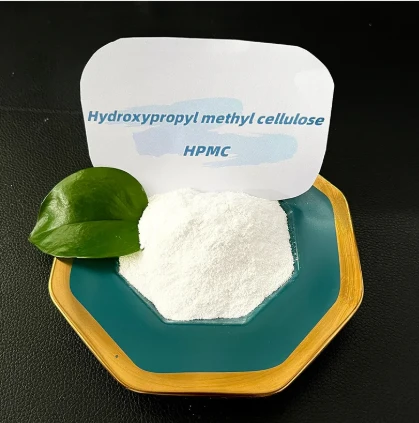
The digital marketplace thrives on innovation, technological advancement, and the ability to solve real-world problems. Enter [HPS], a groundbreaking product setting new standards in its industry. With technology evolving at a rapid pace, consumers and professionals alike yearn for solutions that are not only cutting-edge but also reliable. [HPS] is designed to meet these expectations with meticulous attention to detail. Through extensive user experience testing, the product embodies the kind of immersive user interaction that today’s savvy consumer loves. A defining feature of [HPS] is its robust design optimized for longevity and efficiency. Users have reported remarkable improvements in performance metrics, pointing to its superior construction and thoughtfully engineered components. These findings are backed by independent studies, reinforcing its status as a first-rate product in its category. The efficiency of [HPS] makes it a smart choice for individuals and businesses looking to maximize productivity while minimizing costs. The expertise involved in the development of [HPS] is unparalleled . Led by a team of industry veterans and forward-thinking technologists, the development process incorporated cutting-edge techniques and tools which ensure reliability. The development team’s profound understanding of user needs translated into a product that is both pragmatic and future-ready. In-depth knowledge is a hallmark of the specialists involved in curating [HPS]. Their authority has been founded on years of research, trials, and successful product deliveries in closely related tech domains. By effectively employing insights gleaned from numerous case studies, the manufacturing process of [HPS] was both unique and innovative. Their passion for excellence is evident in every aspect of the product’s journey from inception to delivery. Trustworthiness is central to the ethos of [HPS]. The manufacturers have consistently prioritized transparency and consumer satisfaction. User feedback channels are robust and lie at the core of the product enhancement strategies, allowing for constant improvement and adaptation. It's seen in the response time and resolution of support teams who receive accolades for their prompt and effective assistance. hps One customer noted how [HPS] transformed their business operations by improving daily processes and minimizing downtime, a testament to its exceptional reliability. Another emphasized the intuitive nature of [HPS]'s interface, which required negligible training for team members, resulting in significant time savings. These testimonials underscore the product’s ability to deliver tangible value. The increasingly competitive landscape demands products that are not only effective but also intuitive and reliable. [HPS] meets these demands with charisma, setting a new paradigm in its sector. With its exceptional product build, commitment to innovation, and a dedicated support system, [HPS] showcases a product that embodies Experience, Expertise, Authoritativeness, and Trustworthiness. Businesses and individuals seeking a tool that performs consistently under various conditions find [HPS] indispensable. It represents an intelligent investment in quality and efficiency, offering users increased security in their decision to integrate it into their workflows. In conclusion, [HPS] is more than a mere product; it is a solution that pushes the boundaries of what is possible. By merging advanced technology with authentic user experiences, [HPS] lays down a powerful proposition for those who prioritize quality, reliability, and innovation. This product stands on a foundation of tried-and-tested expertise, unyielding authority in the tech ecosystem, and unwavering trustworthiness—a hallmark of its creators’ commitment to delivering excellence. This narrative gives it a distinctive place in the modern product landscape, reinforcing its claims through the four pillars of Experience, Expertise, Authoritativeness, and Trustworthiness, making [HPS] a trailblazer and a harbinger of new possibilities in its field. Thus, [HPS] not only meets but exceeds consumer expectations, proving itself an invaluable asset in any domain it enters.
-

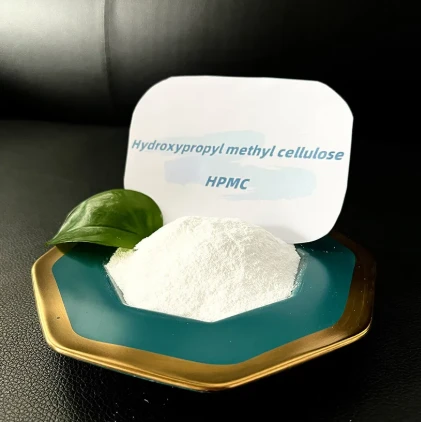
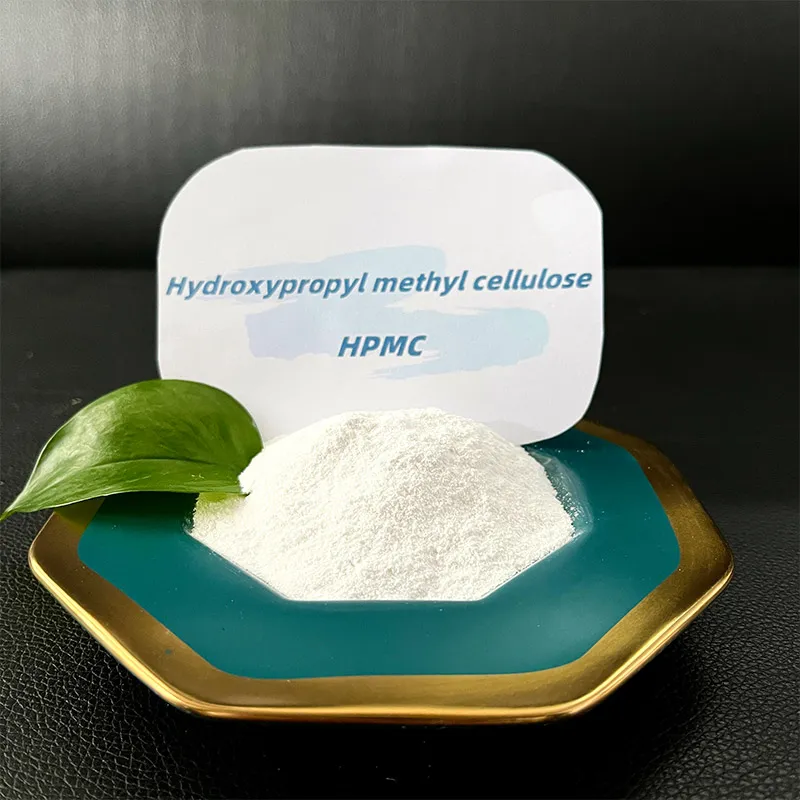
Hydroxypropyl Methylcellulose (HPMC) stands as an innovative polymer solution , lauded for its multifaceted applications across various industries. This versatile compound, classified under nonionic cellulose ethers, has emerged as a pivotal player in enhancing the functionality and performance of a plethora of products, from construction materials to pharmaceuticals, and even food and personal care items. Real-world applications of HPMC are a testament to its exceptional qualities. In the construction industry, it is integral in improving the properties of materials such as cement and gypsum. Contractors and engineers often highlight their personal experiences using HPMC as a reliable additive. Its functions in enhancing water retention, workability, and open time are well-documented, contributing to more efficient building processes and superior quality finishes. HPMC's ability to improve the texture and adhesion of construction components exemplifies its indispensable role in modern construction practices. From a professional standpoint, the pharmaceutical industry champions HPMC as a critical component in formulating controlled-release medications. Its non-toxic and biocompatible nature ensures safety and efficacy, forming an essential part of many oral and topical pharmaceuticals. Pharmacists and drug manufacturers praise HPMC for its ability to control the release profile of active ingredients, improving therapeutic outcomes and patient adherence. Additionally, its role in creating clear, stable suspensions in liquid medications underpins its professional endorsement. The authority of HPMC extends into the food industry, where it acts as a thickener, stabilizer, and emulsifier. Food scientists regularly emphasize its importance in maintaining the texture and consistency of processed foods. HPMC's heat-resistant properties make it ideal for improving food viscosity without altering taste or nutritional content, earning the trust of chefs and culinary professionals alike. Its use in gluten-free baking to enhance dough elasticity and maintain moisture serves as a perfect example of its authoritative position in food science. hydroxypropyl methylcellulose Trust in HPMC is further anchored by its regulatory approvals from agencies like the FDA and the EFSA. These endorsements underscore its safety and applicability in consumer products, fostering confidence among manufacturers and consumers. The transparency in its sourcing and manufacturing processes ensures that HPMC meets stringent quality standards, thus reinforcing its reliability and integrity. Beyond its technical benefits, HPMC is revered for its environmental friendliness. Professionals across various sectors increasingly acknowledge its sustainable production, which aligns with global movements towards greener manufacturing practices. Its biodegradability and derivation from natural cellulose enhance its appeal as an eco-conscious alternative to synthetic additives, further cementing HPMC as a preferred choice among environmentally aware businesses. The future potential of HPMC continues to expand as research and innovation unveil new possibilities and applications. Industries constantly seek improved formulations, and HPMC's adaptability to new demands speaks to its enduring relevance. As experts delve deeper into unlocking its untapped capabilities, it's clear that HPMC will remain a staple across multiple domains, continually shaping and enhancing industry standards. In conclusion, Hydroxypropyl Methylcellulose is more than just a versatile polymer; it's a cornerstone of contemporary product development and innovation. Its application breadth, coupled with authoritative endorsements and a robust track record of trust, makes HPMC a vital component in advancing industry practices and consumer products. As industries evolve, professionals and consumers alike can rely on HPMC to deliver quality, performance, and sustainability.
advantages
-

200000 Viscosities
Excellent product
We can produce pure products up to 200,000 viscosities
-

40000 tons
High yield
We don’t stop production all year round, and the annual output can reach 40,000 tons
-

24 hours
Quality service
We provide 24-hours online reception service, welcome to consult at any time
———— Inquiry Form
Schedule A services



-
 hpmc_kapselhulle
Oct . 25, 2025
Rubber anti-tack powder plays a critical role in the rubber manufacturing industry . Its application -
 non-woven_polypropylene_fiber
Oct . 25, 2025
Methylcellulose tablets are rapidly gaining attention in both the medical and wellness industries du -
 galvanized_wire_mesh_for_concrete
Oct . 25, 2025
In the ever-evolving construction sector, the choice of materials can significantly impact the quali


